# Using Credit Cards at Non-UK Casinos: A Complete Guide
Welcome, fellow gaming enthusiasts! Over the years, I’ve watched the online casino world shift in all sorts of ways, but one thing stays steady: UK players are eager to check out casinos beyond their borders. And honestly, who can blame them? Non-UK casinos bring a fresh mix of games, different vibes, and often let you pay in ways UK sites just don’t allow anymore. Credit cards? They’re often right at the top of the list.
Now, before you ask—yeah, there are restrictions on using credit cards for gambling within the UK. Since April 2020, the UK Gambling Commission (UKGC) banned credit card use for gambling on UK-licensed sites. That was a pretty big move to help protect folks from getting in over their heads. But—and here’s a key point—that rule only applies to UK-licensed operators. Once you’re dealing with non-UK casinos, you’re playing by a different set of rules.
In this guide, I want to clear up how credit cards work with these international sites. We’ll cover what non-UK casinos actually are, why so many UK players find them appealing, how credit cards fit into the picture internationally, and some important tips to keep things safe and smooth. I’ve learned a lot from trying out various platforms myself, so I’m keen to share what I’ve picked up along the way.
## Understanding Non-UK Casinos: A World Beyond the UKGC
So, what’s the deal with “non-UK casinos”? Essentially, these are online gambling sites licensed by regulators outside the UK. We’re talking places like Malta (Malta Gaming Authority – MGA), Curacao (Curacao eGaming), Gibraltar (Gibraltar Regulatory Authority – GRA), or Kahnawake (Kahnawake Gaming Commission). Each of these has its own rulebook, player protections, and ways they roll.
Why do UK players head over to these spots? Well, for starters, the UKGC can feel a bit strict—sometimes almost suffocating. Now, I’m not saying non-UK casinos are wild west territory; many are licensed and audited, so they do care about player safety. But their approaches to bonuses, games, and payment options often feel more flexible.
For example, you might stumble across game providers at non-UK casinos that haven’t even made it to the UK market yet. Or maybe you’re chasing bigger welcome bonuses or loyalty perks that just aren’t available on UK sites. Some players just like the vibe—it’s like booking a trip abroad. You get to sample new styles, discover fresh experiences.
From what I’ve seen, the unique “flavour” of non-UK casinos attracts players looking for something different. Maybe it’s quirky game themes, better odds for sports betting (if the site offers that), or just a user interface that clicks better with them. Bottom line? It’s all about finding what suits your style.
## Credit Cards as a Payment Method: A Global Standard
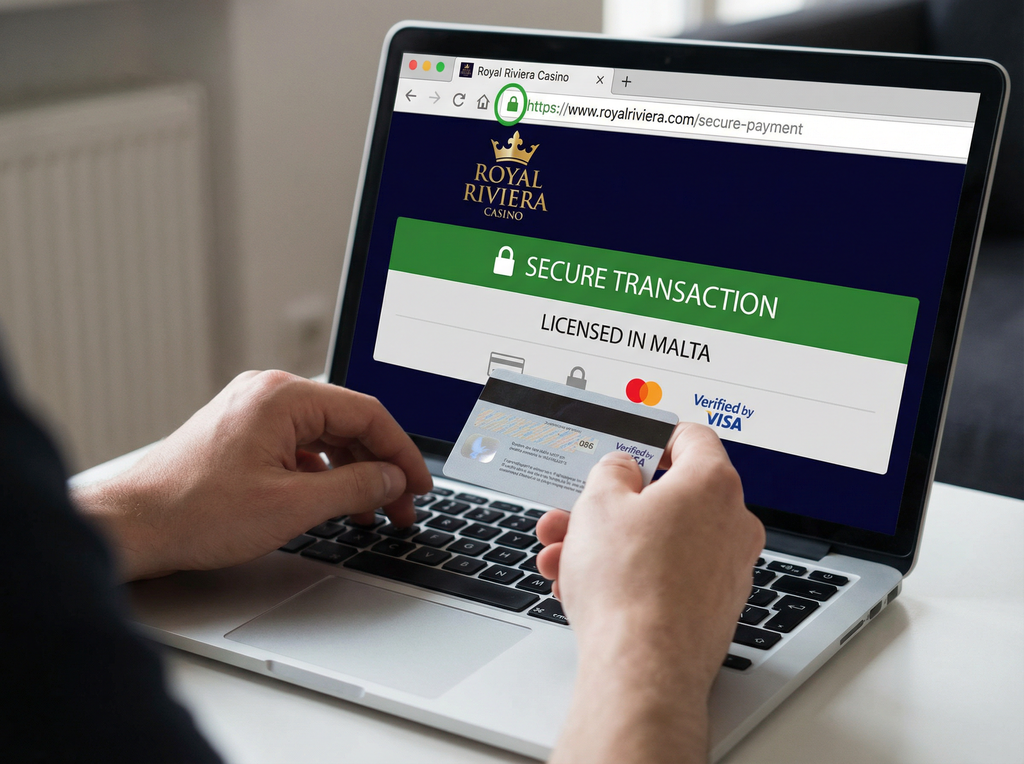
Let’s take a quick step back before we get into non-UK specifics. Credit cards like Visa and Mastercard? They’re everywhere. Seriously, they’re the backbone of online payments worldwide. Whether you’re grabbing groceries, booking a holiday, or signing up for Netflix, chances are you’re whipping out your card.
And why not? They’re super convenient, broadly accepted, and come packed with handy features like fraud protection and chargeback rights. Basically, if something goes wrong, you’ve got some backup. Plus, when you use a credit card, the money isn’t pulled straight from your bank account; you’re using a line of credit. That’s handy for budgeting, though it’s also a reminder: you’ve gotta pay that money back eventually.
In online gambling, credit cards have long been the go-to for deposits. They’re instant, letting you jump into your favourite games without a wait. Since the UKGC ban, things changed for UK sites, but on the international stage? Credit cards are still very much in play—and popular.
## Using Credit Cards at Non-UK Casinos: The Nitty-Gritty